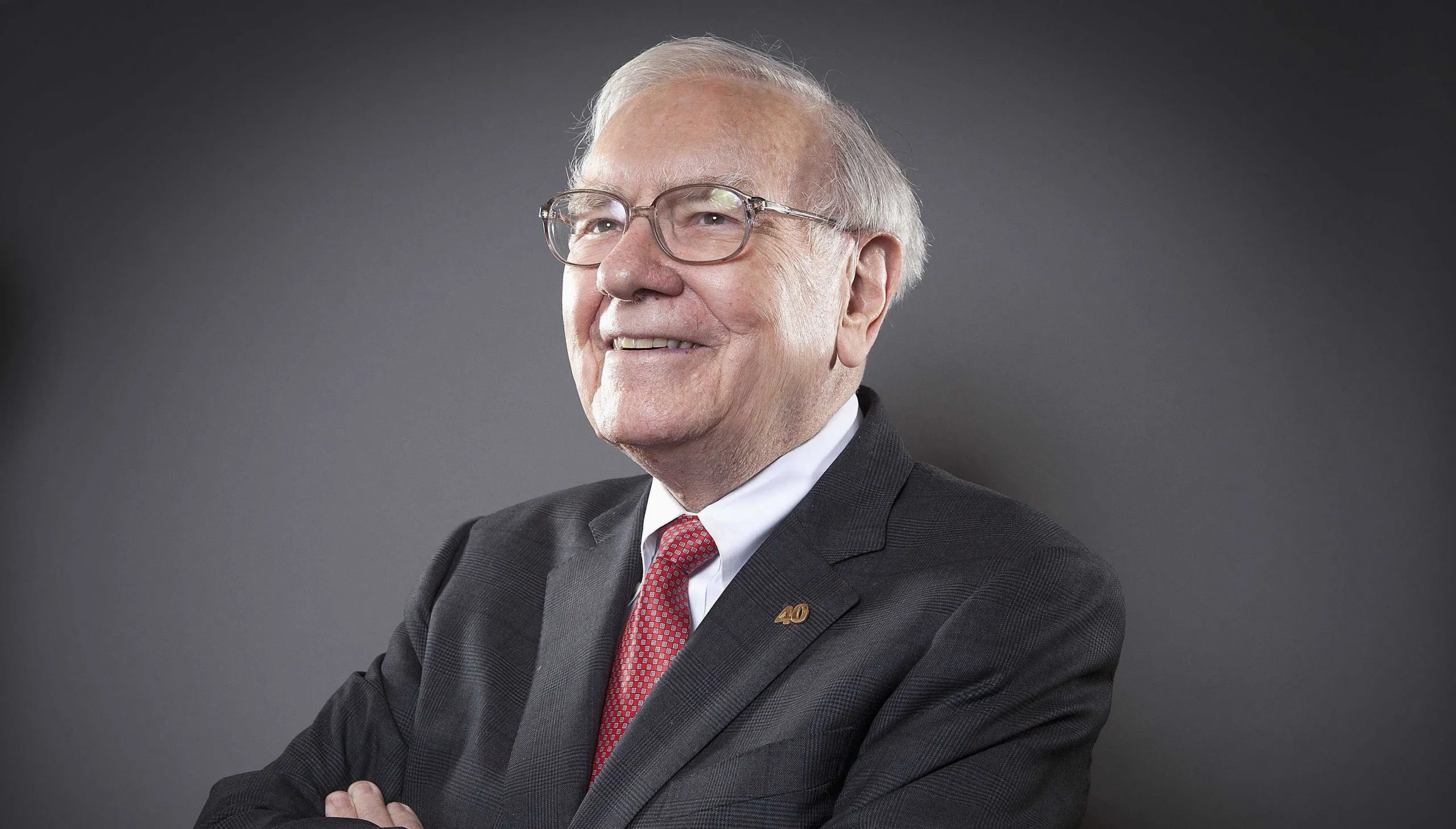
What Warren Buffet taught us about saving and investing.
There’s no denying that Warren Buffet is the greatest investor of our age.
However the interesting thing for me about Buffet about the simplicity of some of the things he talks about when he shares his knowledge.
If you didn’t know, Buffet writes a letter each year, to investors in Berkshire Hathaway, the holding company containing most of Buffets investments.
They’re certainly worth reading and you can find all of the letters stretching back to 1977 up to 2022 here. If you’re looking for more Warren Buffet insight you can get more of the letters stretching back to 1965 here.
There’s massive insight in each and every one of these letters. Buffet talks about his wins but also his mistakes, He shares stories of why he thinks what he thinks and he provides gems of simple sounding but incredibly practical insight.
Over the years he’s stalked about why keeping investment costs low is really important, why well diversified low cost funds should be the way most people invest as well as an insight into some of the key principles we talk about a lot when thinking about financial planning.
One of these insights helps us understand a bit about how we should accumulate wealth…Warren Buffet has a straightforward piece of advice…
“Do not save what is left after spending, but spend what is left after Savings”
The principle has been shared many times over the years in different formats. Robert Kiyosaki talked about it in Rich Dad, Poor Dad. Recently the principle has been used in a business context in the book Profit First, It’s especially well recorded in “The automatic millionaire” and the principle at its core is a sound one.
When it comes to your financial plan, work out what you need to achieve and then save an appropriate amount BEFORE you spend. Effectively having your longer-term savings goals being dealt with by saving this money, doing this in as much of an automated way as possible and spending the rest is why millions of baby boomers, who had workplace pensions which managed this process for them are in pretty comfortable financial situations right now.
We all believe that we’ve got the time, willpower and motivation to squirrel away money at the end of the week, month or accounting period and we can do this in a consistent enough way to make sure our futures are looked after…and this isn’t a comment on how financially savvy you might be either.
The reality is that life gets in the way and other parts of our lives take prominence on both our time and finances. By automating the money we need to save for our financial futures and by taken Warren Buffets advice and paying ourselves first we can then achieve financial independence and give ourselves the options in our lives we deserve.