7 Retirement setbacks and how to prepare for them
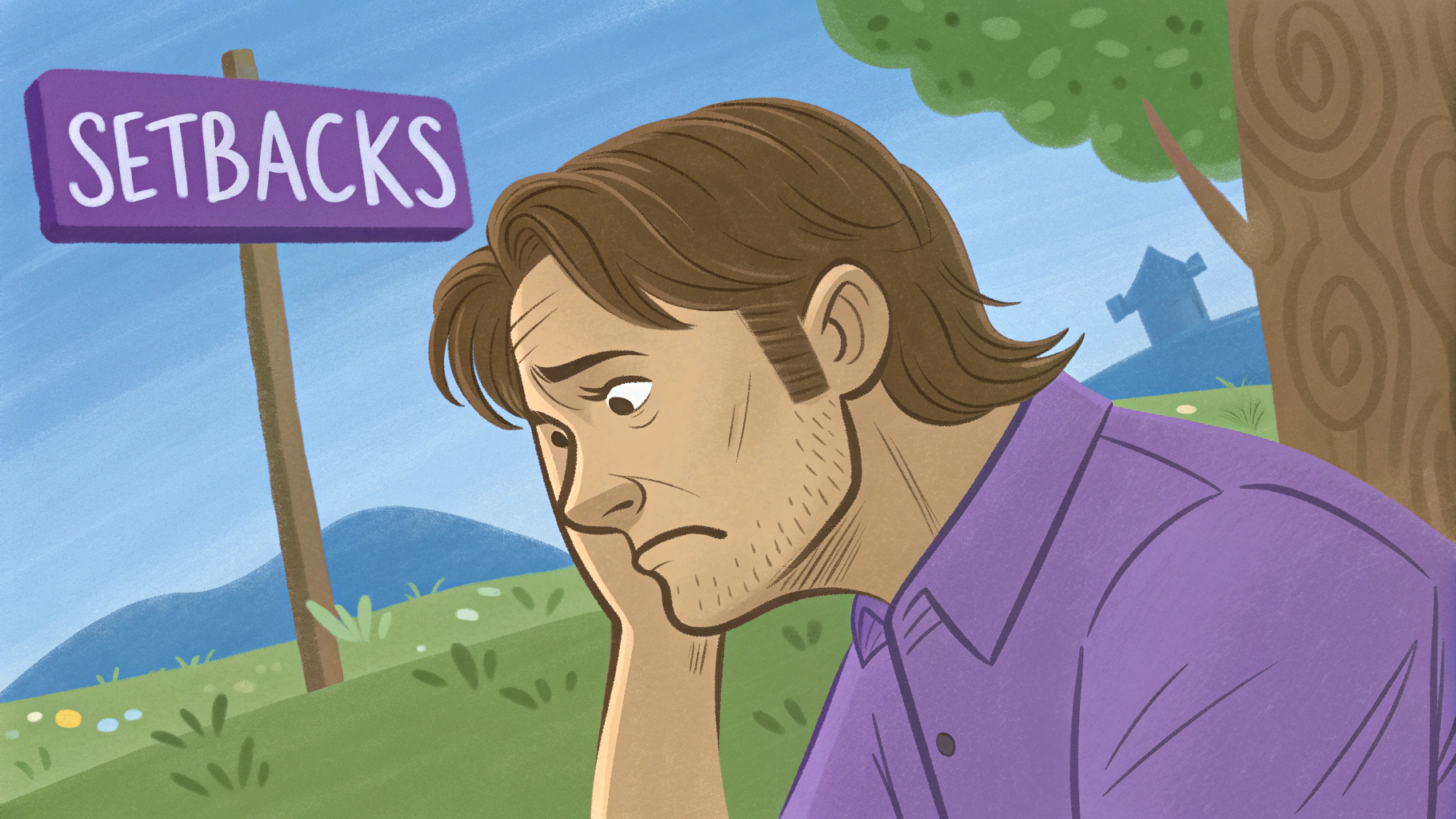
The stoics had a practice called “Premediatio Malorum” appropriately translated into “premeditating evils”. Whilst this exercise might not be a cheerful thing to do, it might be incredibly useful if you’re preparing for retirement or the next chapter of your life. Here’s how it works…
– Firstly, we imagine what could go wrong in retirement. This might include what could be taken away from you.
– Then, we consider what we could potentially do to prepare for these life’s setbacks and help us become more resilient to bumps in the road when they happen…and they do happen!
A couple of important comments here. Going through this exercise isn’t about catastrophising. We’re not thinking it’s all going to go wrong, and I don’t want this process to cause you pain or anguish.
However I believe that by thinking about these 7 retirement setbacks you can take positive practical action to mitigate these setbacks and in this article I want to talk about these practical steps.
We’ve all been around long enough to know that life is never a straight line. There’s periods of time in all of our lives that feel tough and, in an effort to make sure you’re as prepared as possible, I want to share (from my two decades of helping people prepare both for retirement and ‘what happens next’) the most common setbacks you should consider and what you can do to prepare for them…
Our health deteriorates
I had an interesting conversation with a guest of mine on the What Happens Next YouTube channel and podcast recently. A lovely guy and fitness expert Ben Price ( you can find the interview here – https://www.youtube.com/watch?v=0GEIFGp1WUc)
Ben’s perspective is that health underpins all other aspects of our wellbeing, and I agree.
The good news is that we can do something to increase our odds of living longer and healthier lives by focussing on three simple things. How we move (exercise), how we rest (sleep) and how we eat (nutrition).
It’s simple but not easy but focussing on what we can take action on to improve our health is really important, particularly as we get older.
However sometimes we don’t get a choice. Health challenges can impact our lives unexpectedly and this can make our later lives more challenging as a result.
However, I think there’s three things to consider when we’re looking at our health taking a negative turn.
Firstly understand that health span and lifespan are, for most people, two different things. The reality is that whilst we are living longer, not all of that longer living is in perfect health.
This might mean that we plan differently. Perhaps we consider the elements which require more activity and physical fitness earlier in our retirement or in our ‘what happens next’.
Clearly our healthy life expectancy is in our control and will be influenced by positive health habits, but knowing that for all of us there’s a gap in health expectancy (the amount of time we can expect to be fit and healthy) and life expectancy (how long we’re going to live) hopefully makes us think about what we actually want to do with our lives.
Secondly understand that with most ill health or disability there’s almost always things we can do. I watched a brilliant documentary (on Apple TV if you’re interested) with Michael J Fox.
Michael, if you’ve been living somewhere without TV or Movie theatres for the past few decades, is the “Back to the Future” Film start who in his late 20’s was diagnosed with Parkinsons disease.
The inspiring thing about the documentary was the way his focus was on what he could do not what his disability prevented him from doing. It also focussed his time, effort and attention on what was important which included fundraising and family.
Thirdly and lastly, consider that fact that by thinking about the fact that our health isn’t guaranteed, it’s also worth considering what you want to spend your most precious asset on doing.
Do we need to spend as much time at work? Or can we travel with the people we love or like?
If you knew your health was going to mean you’d only have a year of full health and fitness left…how would you spend that time? And why are you not doing more of that now?
Changing our perspective on this particular point, and thinking about our future potential illness might be a gift which allows us to do a bit more of what’s actually important now.
Our children or our parents (or often) both continue to need our help
One of the quirks of modern society where people live longer, and younger generations tend to become less financially independent more slowly is that for many of us we are in a generation where we’ve got societal and often financial obligations to both our parents and our kids.
Whilst in my own personal plan, After losing my mum in 2019 I’m grateful for the extra time I get to spend with my dad. However I’m also increasingly conscious that the extra potential needs of both my daughters and my dad.
There’s things to think about here. Where you’re geographically located and whether this needs to remain the same whilst both generations are independent? Any financial pressures? What other factors might you need to consider?
Thinking about the fact that you might be the middle of the ‘sandwich’ with financial or social dependents on either side allows you to do two things.
Communicate and get clarity.
First, communicate – I appreciate that all families are different. However helping both our kids and our parents by having better conversations is step one.
Secondly, thinking about ongoing potential obligations allows you to think about what you’re prepared and not prepared to do as well as thinking about how your obligations to the people you love also fits in with your plan.
Like most of these things it’s about balance…and I’d suggest that thinking about these additional issues now, despite them being not the most positive thing to think about, allows you to communicate and plan.
We start to worry about money more, particularly when there’s financial volatility or high inflation.
Often for many of us in our 50’s and 60’s, the amount of income or capital we generate by our own hand reduces. That’s if we want this to happen and I appreciate that often is a choice.
However the aim and aspiration of achieving financial independence is so that we can choose what to do with our time.
The reality is that often means we become increasingly more sensitive that the wealth we’ve accumulated.
However if you’re invested markets will go up and down. Inflation will question whether your plan is sustainable.
Let’s be clear. These negative events will happen. What we need to do is ‘stress test’ so that you’re ready.
If you’re working with a decent financial planner they’ll be thinking about the things that go wrong and how prepared you are for these things.
However asking yourself questions about the impact of external events on your financial plan is important.
The key here is not to take knee jerk reactions to anything. The best thing we can do is plan, prepare, think about emergency and contingency funds and importantly understand that any growth, be it financial or otherwise, is usually never a straight line.
We’re ‘forced’ to give up work before we’re ready
It’ll be great if we always made the choice to stop work when we’re ready. However often it’s not down to us…
Think about this question, regardless of whether you run your own business or are employed…
“If your income from work simply stopped in three months, what would you do?”
You might not be ready for that. But simply asking this question allows you to do one thing. Plan and take action.
That might mean building an emergency fund, or reviewing whether you’re financially independent or not. It could also include looking at other employment or business opportunities.
However knowing you’re clear and comfortable if this were to occur is a decent thinking exercise and one worth going through.
There are costs you don’t expect…
For many of my clients they’re often surprised about some of the costs they didn’t think about incurring when they retire or decide what’s next. So, here’s some things to consider…
Does your car come with work or business? Would you need to replace it?
Is there work on your home you’d like to do? What’s the cost of doing that?
Adventure of travel in the early years of ‘what’s next’? How much is that going to cost?
If you stopped work, but wanted to continue with private healthcare, what are the cost implications going to be?
I’d start on this with looking at the non-salary advantages you get through work and seeing what you’d like to continue doing. Then think about those additional one off expenses you need to get organised in the first year.
However, my experience tells me that often there’s costs you hadn’t considered that might be worth thinking about now.
Our social lives potentially change
Often, our social lives are wrapped up with our work.
I had one client whose friends were all at work, because he spent all of his time in the office.
His challenge was that when he stopped work, and his friends continued, the dynamic of the relationships changed. My client had more freedom of time where his friends didn’t. Work continued for my friends, so my client wasn’t as engage with the conversation from a work perspective.
Of course, these people continued to be friends with my client, but my client realised that he might benefit from having some social relationships and friendships which wasn’t connected with work.
I wonder if you feel this applies to you? If it does, let me give you a tip.
Start to think about this now, and start to think about building those friendships. Join a club. Do something where you go out and meet people which isn’t business or work related.
By doing that you’re still working on developing the social relationships so important to our wellbeing.
We lose someone we love
Losing someone we love is devastating and I’ve had over the years many conversations with people who are going through this process.
There’s no answers to this from an emotional perspective, but one thing you should consider is the practicalities.
Make wills if you haven’t got one. Check your wills if your have. Consider who your pensions are going to go to (and complete the nomination forms to make sure they go to the right place). Make sure you’re not leaving your partner in the lurch or visa versa if this does happen.
Grief and loss are particularly difficult, but making sure they’re not made worse by thinking about the practicalities now, I’d suggest is a really important step to take.
Whilst thinking about any of these things aren’t particularly positive, I think this was an important article to write. The reason? Thinking about what can do wrong should allow us to more positively plan and prepare.
I hope this article allowed you to think about the steps you should take to ensure to mitigate some of these elements and I hope this article has been useful.