Why you need to avoid the ‘retirement vacuum’ and the two practical steps you can take to make sure it doesn’t hoover away your happy retirement
Aristotle was factually wrong when he said “Nature abhors a vacuum”. The reality is that scientific vacuums do exist in the world and in space.
But what if he was philosophically right? What if when it comes to our own lives, we really struggle with “blank space” and without intentionally thinking about what we want to do in retirement or ‘what happens next’ we create these vacuums which lead to less happiness and wellbeing in retirement.
So, In today’s article I’m going to explain the negative impact of the retirement vacuum and the simple steps you can take to plan and prepare to avoid it today.
I’ve talked a lot on this blog and on the Youtube channel about planning and preparing for the non-financial elements of retirement and the importance of thinking about, and planning for, how you’re going to spend your time when you stop or reduce the amount of work you do.
The reality is that when Aristotle used to talk about ‘nature abhorring a vacuum’ he was providing an insight into the world of physics. However unfortunately (for Aristotle anyway) this particular fact turns out not to be true.
Now I’m not a physics expert but my understanding is that there’s plenty of there are plenty of vacuums in space which disprove Aristotle’s theory…however I do think he makes an interesting philosophical point we need to be aware of.
I had a conversation the other day where a friend of mine was telling me about their dad.
“All he does nowadays Chris watches the news and gets angry with the world. He used to be really active. At work, with his community, at the gym. However, when he stopped work that changed, and it’s really impacted his health and happiness.”
Interestingly my friend puts it down to a few things with one of the main ones being really clear…
He didn’t plan for ‘what’s next’ as my friend told me…
“Without an idea of what he should do he goes for the easiest low effort option. He turns on the TV and watches the news and whilst he does venture out a bit…I have seen a really detrimental impact on his health and happiness since he spends the majority of time watching the news!”
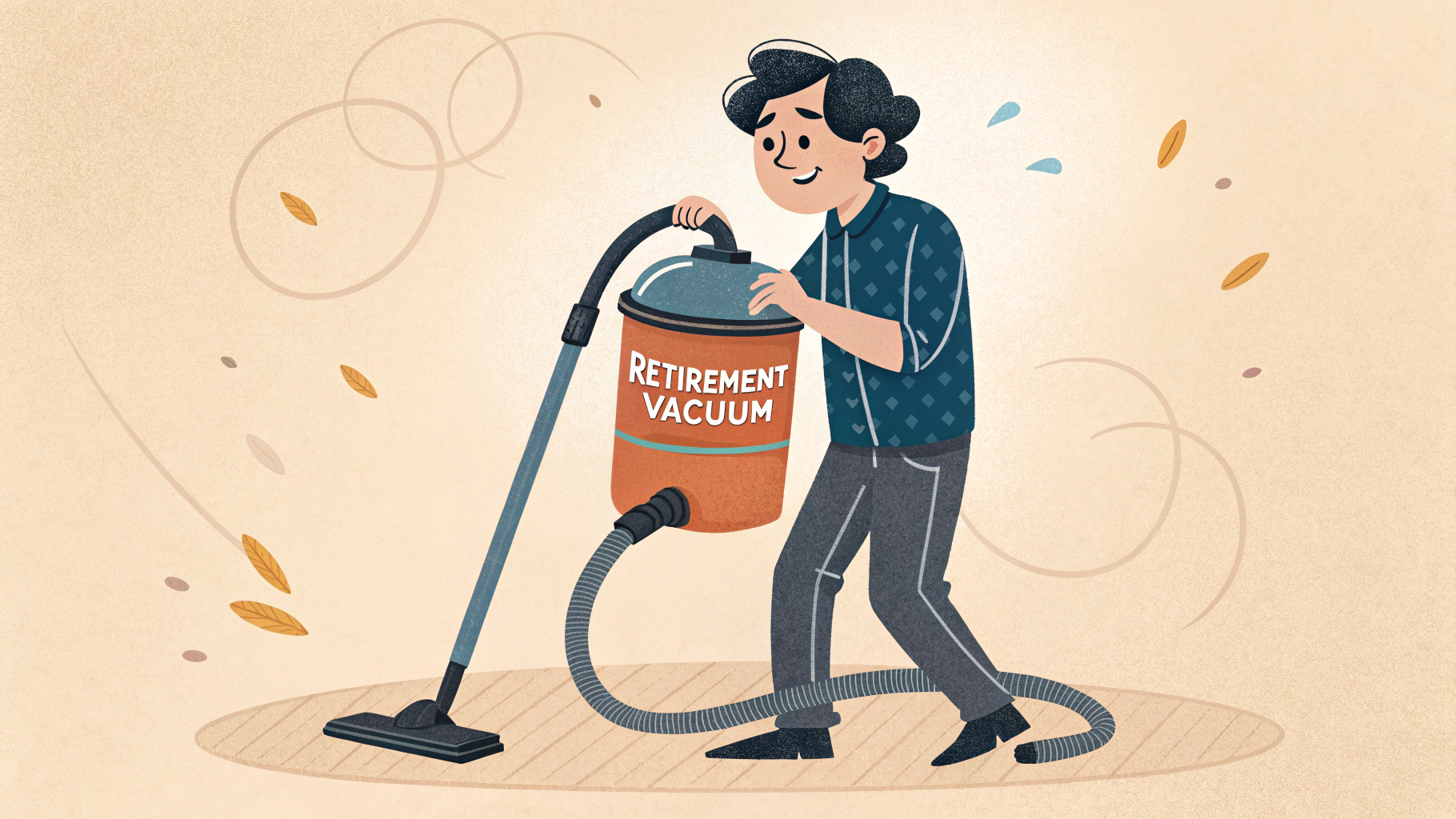
I believe what’s happened here is a philosophical version of Aristotle’s theory. Not making a plan for the non-financial elements of retirement means that doing nothing has been filled with, for my client’s dad, watching a lot of news.
Whilst nature might not abhor a vacuum, us humans need to fill our time with something! The danger is that unless we’ve got a bit of a plan on how we spend our time, it gets taken up with ‘stuff’ which may not improve our overall wellbeing in retirement.
Whilst watching the news to keep us informed might be fine, the evidence that watching excessive news increases anxiety and stress, can impact our sleep and increases our hostility as well as increasing our mental fatigue as we try to mentally process all this bad news.
When we’re talking to clients about preparing for retirement or ‘what happens next’ we talk about two practical tips they should adopt to make sure they avoid ‘stuff’ getting in the way of the lives they want to live…
Firstly, stop work gradually. Don’t fall off the cliff of retirement but instead consider a flight path towards retirement. Thinking about a gradual change in how you spend your time is the way to go…allowing you more time and headspace to ease into whatever happens next in your life.
Secondly, plan for your time, not only your money. Think about your wellbeing. Think about not only the list of things you want to do, but also what you want to avoid in retirement.
So, by following these two principles you’re more likely to not create the vacuum in time which gets filled with things which don’t benefit us, and proactively and practically plan for as brilliant retirement as possible.
I wanted to share two videos on this particular subject you might benefit from watching…
This video about the ‘retirement cliff’ helps you understand the challenges you might face when you immediately stop work
and
This video shares some the frameworks you need to proactively plan for retirement properly.